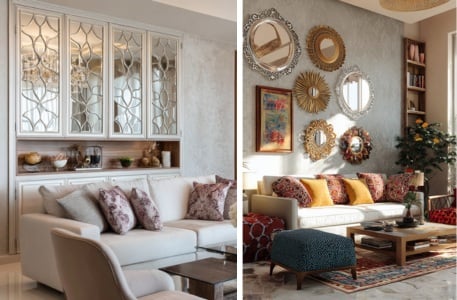
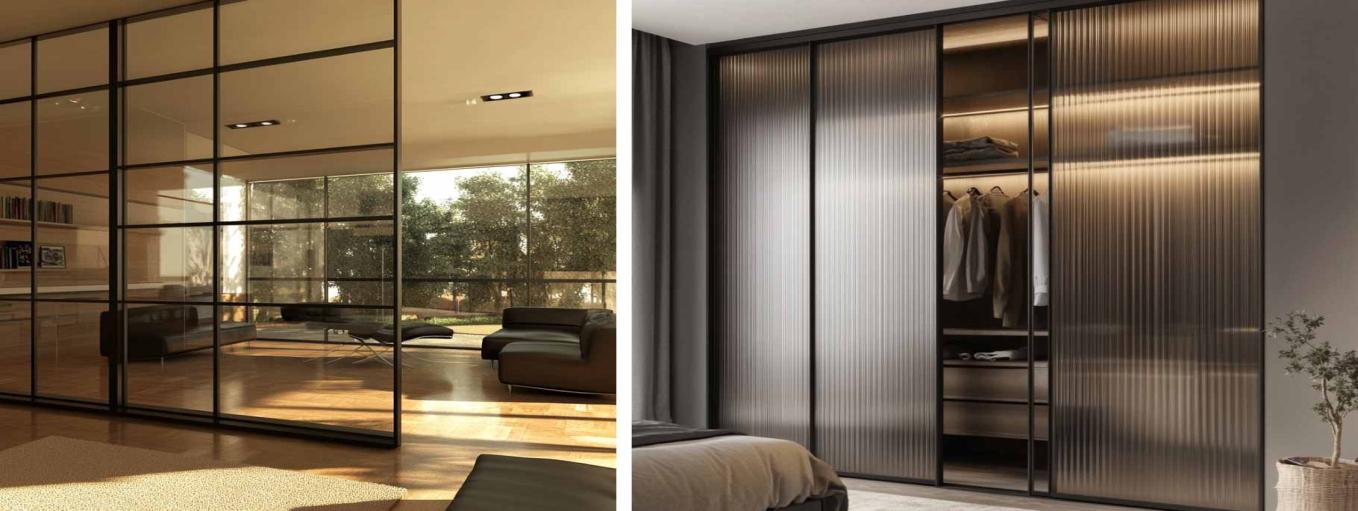
Glass is one of humanity’s most poetic inventions: transparent and transformative.
Over centuries, what was once a simple sheet of silica has evolved into an entire lexicon of design possibilities. Today, glass gleams with light through facades or brings seamless connection with the outdoors through doors or is used in furniture that seems to float and partitions that both separate and connect. Its beauty lies in its adaptability, adding functional necessity and value addition to spaces.
When it comes to interiors, glass is an indispensable material. Homeowners and designers often find themselves comparing clear glass vs frosted glass or weighing the appeal of etched glass vs frosted glass. Each has its own character, offering a unique balance of visibility, privacy, and decorative potential.
In this blog, we’ll explore the three most popular decorative glass types for interiors: clear glass, frosted glass, and etched glass - and help you choose the right one based on your needs.
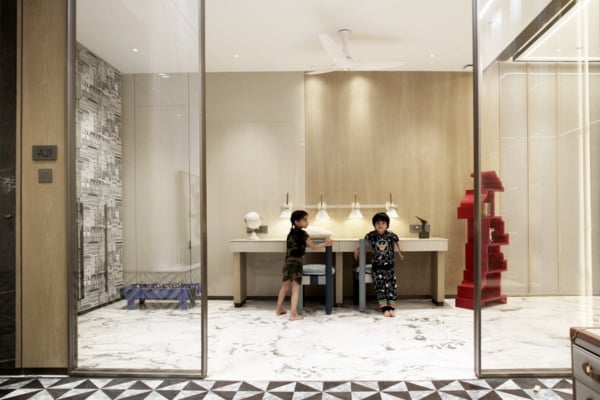
Clear Toughened Glass for Home Partitions/Dividers
Clear glass, also called standard float glass, is the purest form of glass: smooth, transparent, and timeless. It's known for its maximum clarity, providing uninterrupted light, visibility, and openness.
When to choose Clear Glass : If visibility is your top priority and privacy is not a concern, clear glass is the perfect choice. Clear glass can be toughened or laminated to enhance its safety and durability. When treated with advanced coatings, it reduces glare and heat gain.
Also read Unlocking the Clarity: All You Need to Know about Clear Glass
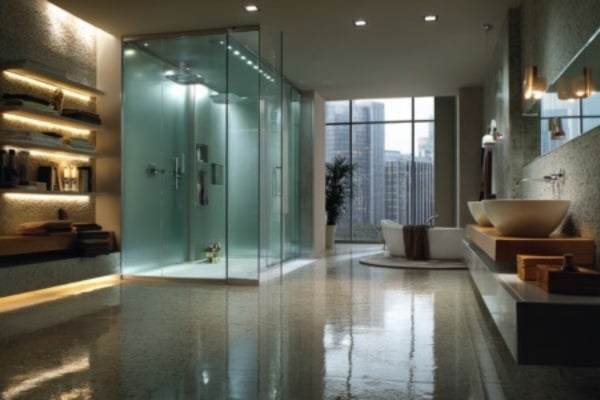
Frosted Glass Shower Enclosures Offering Privacy and Light.
Frosted glass is a decorative glass type for interiors where the surface is treated to create a translucent, satin-like finish by the process of sandblasting (abrasive pressure) over the entire surface of the glass. It scatters light and blurs visibility, offering both illumination and privacy.
Also Read Front Door Glass Design Trends You Need To Know
When to Choose Frosted Glass: If you want a balance of privacy and brightness, frosted glass is the ideal solution.
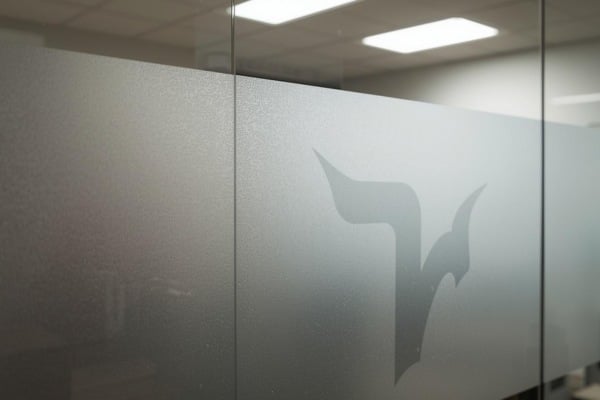
Etched Glass Doors with Branding in Office Spaces.
Etched glass is where glass becomes art. By combining acid etching and sandblasting, designers create intricate patterns, motifs, logos, and custom artwork on the glass surface. Etched glass is always uniform; it allows selective transparency (fully or partly), so that some areas may remain clear while others are frosted or translucent.
When to choose etched glass: If you want to add personality, artistry, and sophistication to your interiors, etched glass is the perfect fit.
| Criteria | Clear Glass | Frosted Glass | Etched Glass |
|---|---|---|---|
| Transparency / Visibility | Full clarity | Translucent (blurs the view) | Selective — a mix of clear & frosted |
| Privacy | None | Good degree | Excellent custom control |
| Design Flexibility | Low (flat, plain) | Medium (addition of films or backlighting) | High (custom patterns, logos) |
| Maintenance | Easy | Moderate | Requires more care for etched surfaces |
| Best for | Clear, natural light views | When privacy + light are both needed | Branding, decorative interiors |
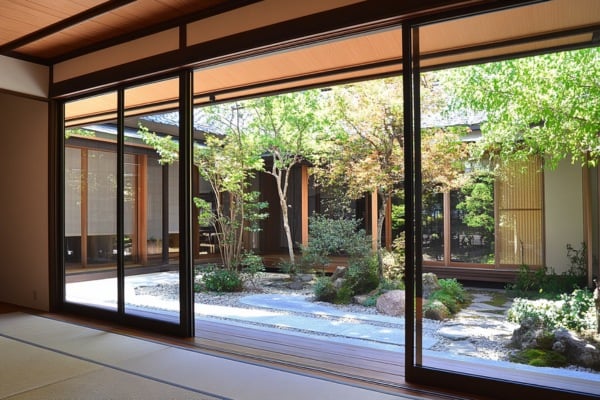
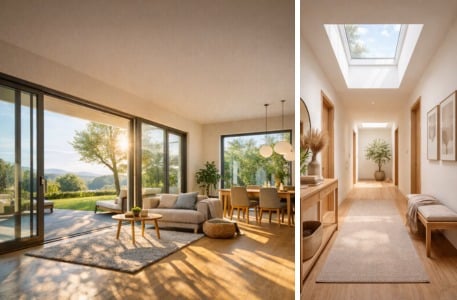
Clear Toughened Sliding Glass Doors Infuse a Chic and Contemporary Look.
Clear glass doors offer a seamless connection between indoor and outdoor spaces, allowing natural light to flow in while maintaining a stylish appearance. These glass doors blur the boundaries while providing an outdoor connection and visibility.
However, when it comes to spaces that require privacy, such as bathrooms or puja rooms, frosted and etched glass doors are the ideal choice. Frosted glass for privacy softens light and adds subtle texture, while etched glass doors allow for intricate detailing, such as sacred motifs, OM symbol, deity outlines, or geometric patterns.
Also read Riverfront Bliss: A Home Designed Around Breathtaking Vistas with Toughened Glass
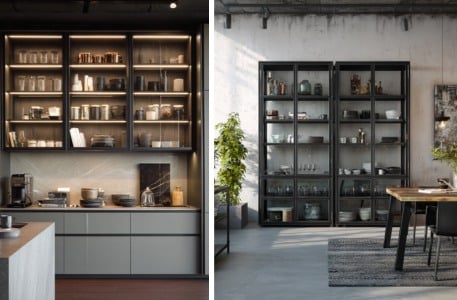
Glass continues to be a designer’s favourite for modern furniture applications, with clear toughened glass widely used for tabletops, cabinet shutters, and shelving. Its high transparency enhances the sense of space while delivering a clean, minimalist look and ensuring strength and durability.
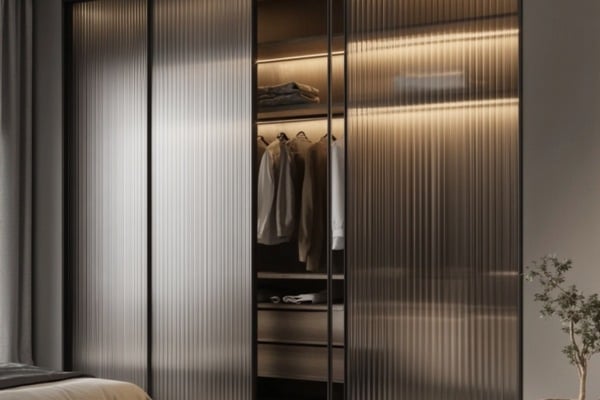
Etched Glass Wardrobes Design for a Striking Interior.
For more decorative appeal, etched or frosted glass inserts can be incorporated into cabinet fronts or display units, introducing soft translucency and pattern. Such decorative glass types for interiors combine function with form, creating refined yet practical furniture design.
Clear laminated glass balustrades are a hallmark of contemporary design. Ideal for staircases and balconies, they offer uncompromised safety while maintaining unobstructed views. For homes that require privacy along with style, frosted glass railings are an elegant alternative. The frosted finish diffuses sunlight, bathing balconies or terraces in a gentle glow.
Also read 5 Advantages of Toughened Glass Railings and Balustrades
When it comes to corporate or retail design, etched glass is synonymous with sophistication. Acid etching and sandblasting are the two most popular techniques for creating signage, enabling designers to curate shapes, designs, logos, and text to be etched onto the glass.
Also read 5 Reasons To Upgrade your Branding with Glass Signage
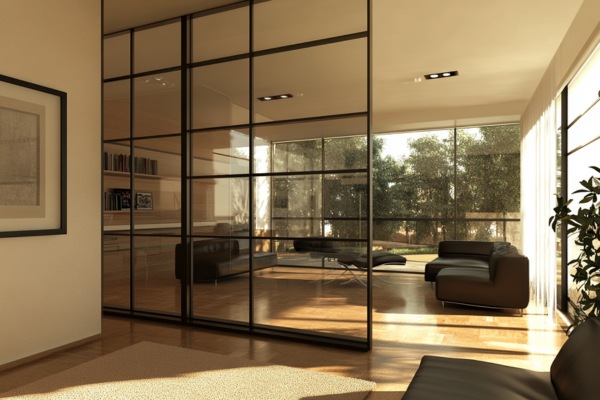
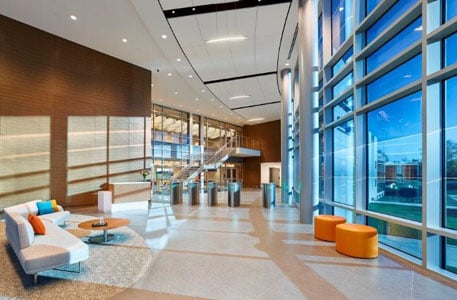
Glass Partitions for a Visually Connected Look.
In open-plan interiors, glass partitions open the space with new possibilities, blending beauty and practicality. Designers often experiment with decorative glass types for interiors, mixing clear, frosted, and etched surfaces to control light and visibility. Any type of glass can be toughened to ensure long-lasting durability and strength.
Also read The Ultimate Guide To Toughened Glass Partitions For Workspaces
One of the most striking ways to elevate interiors is through backlit glass installations. Frosted and etched glass works wonderfully with LED lights, showcasing textures and patterns.
LED backlighting enhances etched designs, creating a glowing effect that changes with the time of day.
Also read Why Heat-Soaked Glass Is Perfect For India’s High-Traffic Public Areas
When selecting different types of glass for your interiors, consider function first (such as privacy, light, and durability), then layer in aesthetics (custom patterns or designs) and budget. In most projects, the smartest solution is a thoughtful combination of: clear panels for daylight and views, frosted panels where privacy is needed, and etched accents for personality, branding, or detailing.
What is the major difference between clear glass and frosted glass?
Clear glass is fully transparent, maximising visibility and daylight, while frosted glass scatters light to blur details, offering privacy while allowing illumination.
Can clear glass be made safer for doors and balustrades?
Yes, clear toughened (tempered) glass meets safety codes and improves strength and impact resistance.
Which type of glass offers more privacy?
Frosted glass offers the highest privacy with its uniform translucent finish that blurs visibility. Etched glass provides selective privacy with patterns or motifs while keeping some parts clear, ideal for those who want privacy with design flair.
Can frosted and etched glass be used for puja rooms?
Yes, frosted glass creates a soft, serene glow ideal for spiritual spaces, while etched glass lets you add sacred motifs, such as Om or mandalas. Both can be backlit for a divine effect and can be made in toughened variants to enhance safety.
Which glass type is best for modern wardrobes or partitions?
Use clear glass for openness, frosted glass for subtle privacy, and etched glass for artistic patterns. For modern interiors, frosted or etched wardrobes and partitions with metal trim blend function with contemporary style. You can also opt for tinted glass finishes for a minimalist yet luxurious aesthetic.
Jahanavi Arora is an architect by profession and a writer by choice, with over 7 years of experience in architecture and design writing. She graduated from Chandigarh and believes that writing and architecture are similar as both are forms of art. Read More